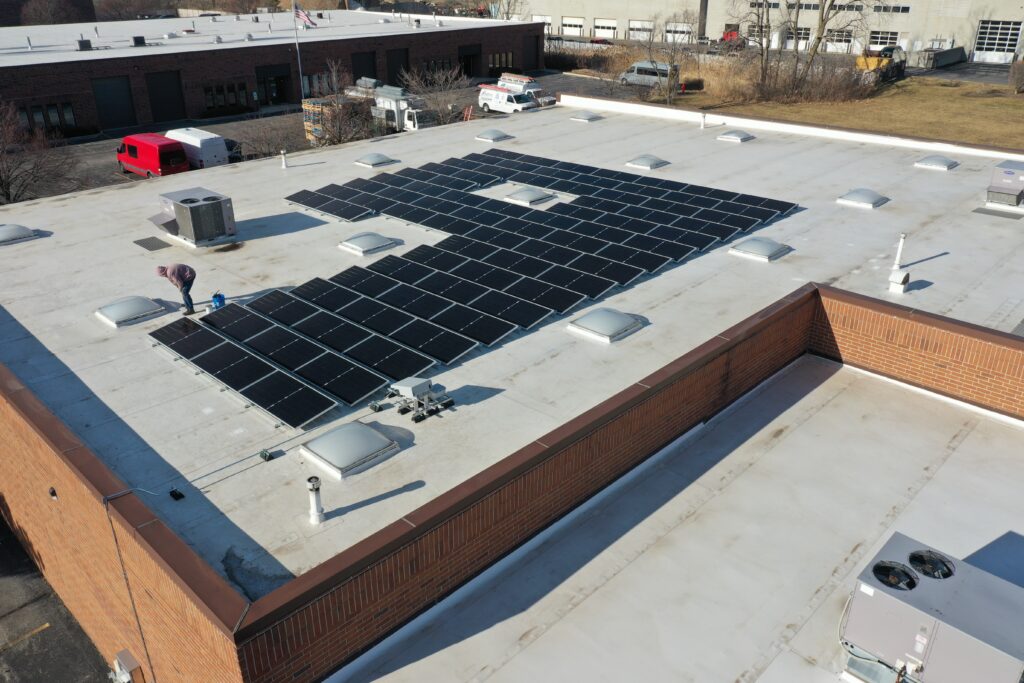
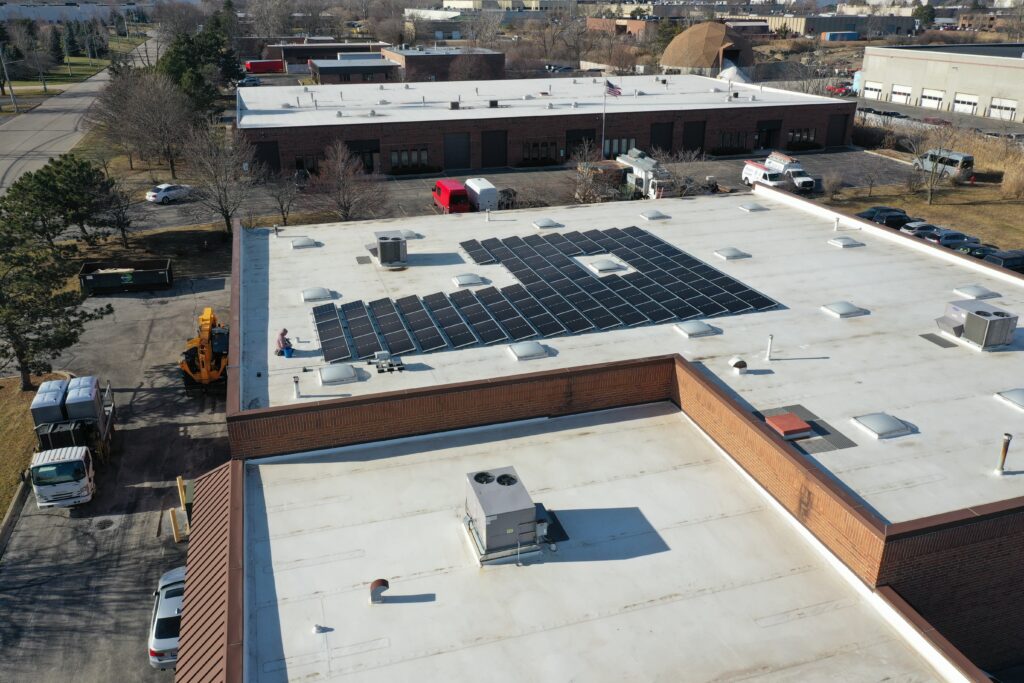
When DMS Dies, a manufacturing facility based in Lake Zurich, IL, decided to embrace solar energy for their commercial property, they were clear about their priorities. Their goal was to significantly reduce energy costs while working within a limited budget. They needed a system that delivered a quick return on investment without compromising quality or efficiency.
DMS Dies was facing increasing energy expenses and wanted to transition to a more cost-effective, sustainable energy solution. As a manufacturing facility, their energy consumption was substantial, making solar an appealing option. However, their budget constraints posed a challenge, as they needed to strike a balance between upfront costs and long-term benefits. The team at ilumen Solar worked closely with DMS Dies to design a solution that maximized energy savings while adhering to the financial framework. This balance of affordability and performance became the foundation of the project.
This project didn’t come together overnight; it was the result of a relationship that developed over time between ilumen Solar and Dave Polkinghorne, the owner of DMS Dies. From their initial conversations, the ilumen team prioritized understanding Dave’s needs and building trust through consistent communication and reliable follow-ups.
A year after the initial discussions began, ilumen reached out to reconnect. By then, Dave had seen their commitment and was confident in their ability to deliver results. It was as though he had been waiting for their call—ready to move forward without hesitation. This trust didn’t come from promises alone but from ilumen Solar’s reputation for professionalism and its ability to provide tailored solutions. Their persistence and genuine interest in DMS Dies’ success ultimately won them the deal.
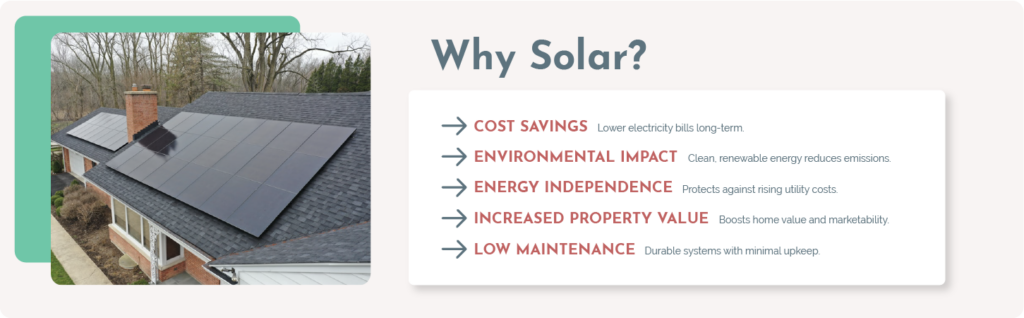
Once the project was underway, ilumen Solar encountered unique challenges that required collaboration and creative problem-solving to ensure a seamless installation.
These collaborative efforts ensured the solar installation was completed efficiently, with no disruptions to DMS Dies’ operations.
The results of the project speak for themselves. Since the installation, the solar system has consistently outperformed ilumen Solar’s production estimates, delivering even greater energy savings than anticipated. This exceptional performance highlights the precision of ilumen’s system design and installation process
Dave Polkinghorne expressed his satisfaction with the project, stating:
"Zach, Dan, and the whole ilumen team were excellent. They went above and beyond to ensure our transition to solar went smoothly and kept us informed with what to expect every step of the way, and the system they installed outperforms the expected results. Very satisfied."
This testimonial is from an actual ilumen Solar customer. Individual results may vary.
For ilumen Solar, this outcome is the ultimate goal: exceeding expectations and providing clients with systems that deliver measurable, long-term value
At ilumen Solar, the focus is on more than just installing solar panels—it’s about creating tailored solutions that fit each client’s unique needs. This includes:
DMS Dies’ experience showcases how ilumen Solar goes above and beyond to deliver results that exceed expectations, both in terms of performance and customer satisfaction.
Is your business ready to make the switch to solar? ilumen Solar, one of the leading commercial solar companies, is here to help you design a cost-effective and efficient solution.
Liberty Self Storage, a commercial storage facility in Crystal Lake, IL, sought to reduce operating expenses by integrating a solar power installation into its business operations. As a forward-thinking company, they wanted a solution that would offer financial savings and environmental benefits while addressing the unique challenges of their high-traffic location.
Energy costs can significantly impact operational budgets for commercial facilities. Liberty Self Storage approached Ilumen Solar, a leading commercial solar power company, to design and install a system that would help reduce utility bills and improve financial stability. Their goal was to take advantage of available incentives to ensure a quick return on investment while optimizing long-term savings
The deciding factor for Liberty Self Storage was the financial appeal of the project. By leveraging Federal Tax Credits, Illinois solar incentives, and ComEd rebates, the client saw the potential for a fast payback period. ilumen Solar provided a clear breakdown of these benefits, giving Liberty Self Storage the confidence to move forward.
Additionally, ilumen’s expertise in handling site-specific challenges and customizing solutions to meet unique needs set them apart from other commercial solar installers.
Every solar project comes with its challenges, and this was no exception. Liberty Self Storage raised concerns about potential tampering with solar equipment due to the high volume of customer traffic on-site.
To address this concern, ilumen Solar installed special locks on the inverter and disconnects to prevent tampering. The inverter, which converts solar energy into usable electricity, and the disconnects, which safely shut off the system for maintenance or emergencies, are critical components of any solar installation. By securing these with locks, ilumen Solar ensured the equipment remained protected from unauthorized access while staying fully accessible to authorized personnel when needed. This straightforward yet effective solution provided peace of mind and maintained system functionality.
Reliable system monitoring is a critical component of solar installations, but Liberty Self Storage’s office was too far from the equipment to establish a direct internet connection.
To solve for this, ilumen Solar customized a cellular internet plan to bridge the gap, staying within budget while providing reliable connectivity for monitoring the system’s performance. This solution ensured real-time tracking of energy production and consumption, giving Liberty Self Storage confidence in their solar investment.
Additionally, midway through the project, the location of the solar equipment needed to be changed. This adjustment required additional trenching and an extended conduit and wire length. ilumen Solar addressed the issue through a small change order, ensuring the project remained on schedule without compromising quality or functionality.
The completed solar panel installation has been a resounding success for Liberty Self Storage. The client is already experiencing significant financial benefits, including:
The system not only meets but exceeds expectations in terms of performance and aesthetics. The installation looks professional, and the client is thrilled with the outcome.
At ilumen Solar, we believe that every project is an opportunity to deliver exceptional results. Here’s what sets us apart as one of the top commercial solar companies in Illinois:
If you’re ready to explore how solar can lower your energy expenses and enhance your business, ilumen Solar is here to help. Get a quote today and discover how simple and rewarding it is to transition to solar power.
A solar benefit called “net metering” is NOT going away in 2025, but it is adjusting, under state law.
Net metering is a benefit for solar users. Under Illinois law, investor-owned utilities (ComEd, Ameren, MidAmerican) are required to offer net metering for renewable energy generation (such as solar power). This means anytime the solar panels a consumer installs generate more power than the household needs, that consumer can sell that excess electricity back to the utility and receive electric bill credits. The utility will only charge the solar customer for the net amount of electricity consumed, plus any other fixed delivery charges (such as the customer charge, standard metering charge, delivery service cost adjustment).
It used to be difficult for solar users in Illinois to sell excess power back to the utility, but in 2008 legislation took effect that simplified the process.
On Jan. 1, 2025, the net metering benefit is being reduced for Illinois residents who decide to install solar panels on their homes. Two important points:
Net metering currently gives 1:1 per kilowatt-hour credits on these parts of your electric bills: Supply, Delivery and taxes and fees.
If you have solar panels on your home now: You are guaranteed this current version of net metering for the lifetime of your system (defined, under net metering regulations, as 30 years from the date the solar installation received permission to operate). That means you will continue to have this full benefit on all three sections of your bill.
If you install solar panels after Jan. 1, 2025 a few significant changes:
To summarize, this new system means customers who install solar panels after Jan. 1, 2025 will receive 1) a larger benefit upfront; 2) a reduced net metering benefit throughout the lifetime of the system; and 3) credits that never expire.
If you are interested in understanding the financial details of a project under the new Illinois net metering adjustment, we recommend obtaining multiple quotes from reputable installers. Since every solar installation is custom built, the best way to find out is by obtaining a formal design and quote.
If you currently have panels on your home, the way you are compensated for net metering will not change.
If you install panels after Jan. 1, you will continue to save on your utility bills, but the net metering benefit will be lower.
However, every project now qualifies for the ComEd Distributed Generation rebate, which in most cases levels out any long term net metering reduction.
A transition like this is typical in states as they achieve higher levels of solar adoption–and Illinois in recent years has enjoyed a solar boom.
A reduction in the net metering benefit was planned in state law as far back as the Future Energy Jobs Act of 2016. The utilities would have preferred this change to happen much sooner than 2025, but consumer advocates successfully extended full net metering benefits for years.
Changes to Net Metering policies can spur battery installations paired with solar, and in states like California under Net Metering 3.0, often times, it doesn’t make sense to install solar without batteries.
However, in Illinois, solar does not need to be paired with batteries to reap the benefits of partial net metering. We’re finding minor adjustments, such as scaling back the system size, adjusting the layout to include multiple azimuth roof faces, and meticulous analysis of historical consumption can achieve financial results similar or better to full retail net metering.
At the start of 2025, Illinois net metering adjusts from 1:1 “full retail” to supply only “partial” net metering. While long term financial benefits may hinder slightly, the ComEd DG Rebate significantly improves financials in the first year. When applying the DG Rebate and adjusting the system size and layout, don’t be surprised if the financials actually improve!
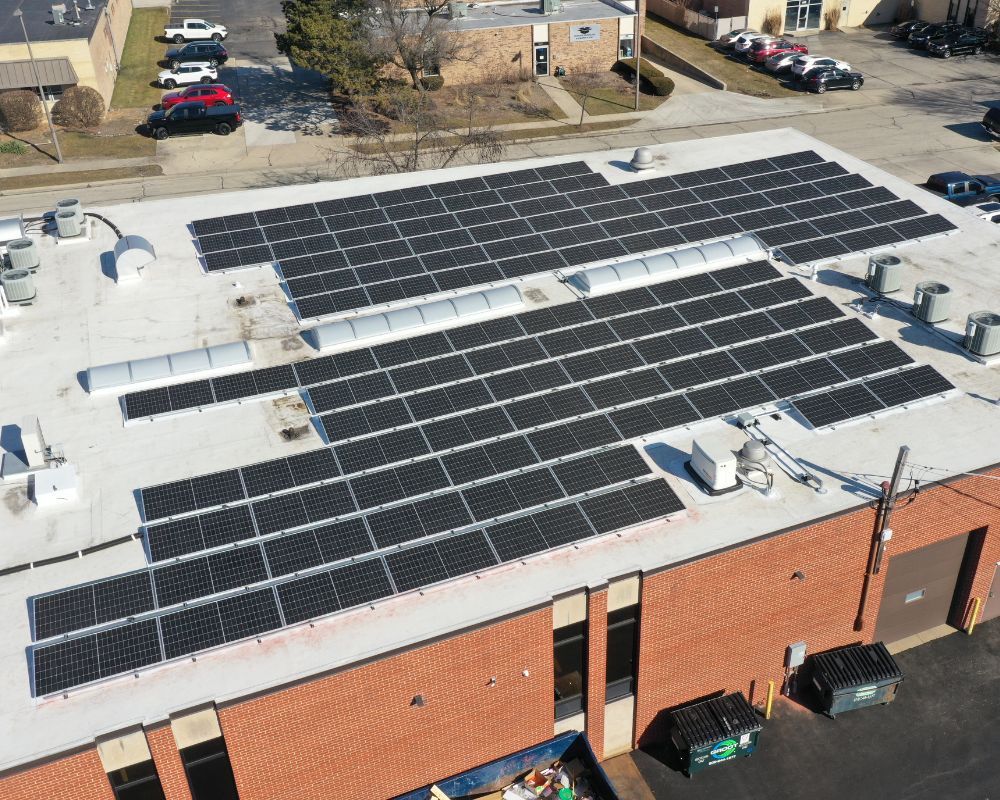
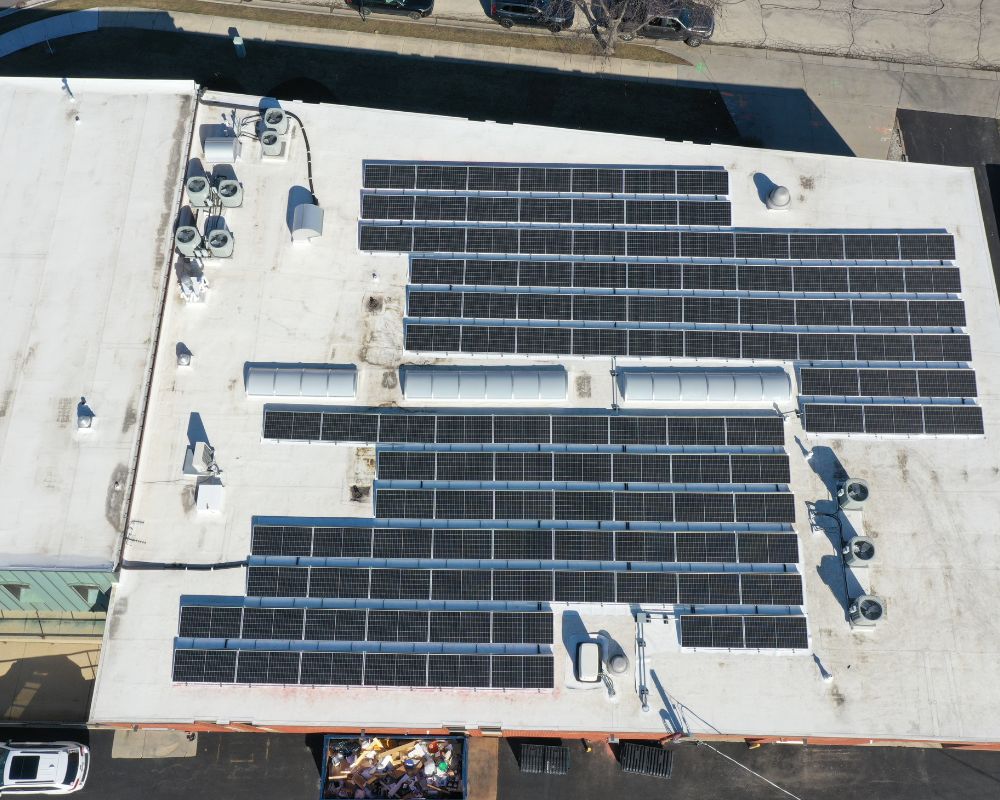
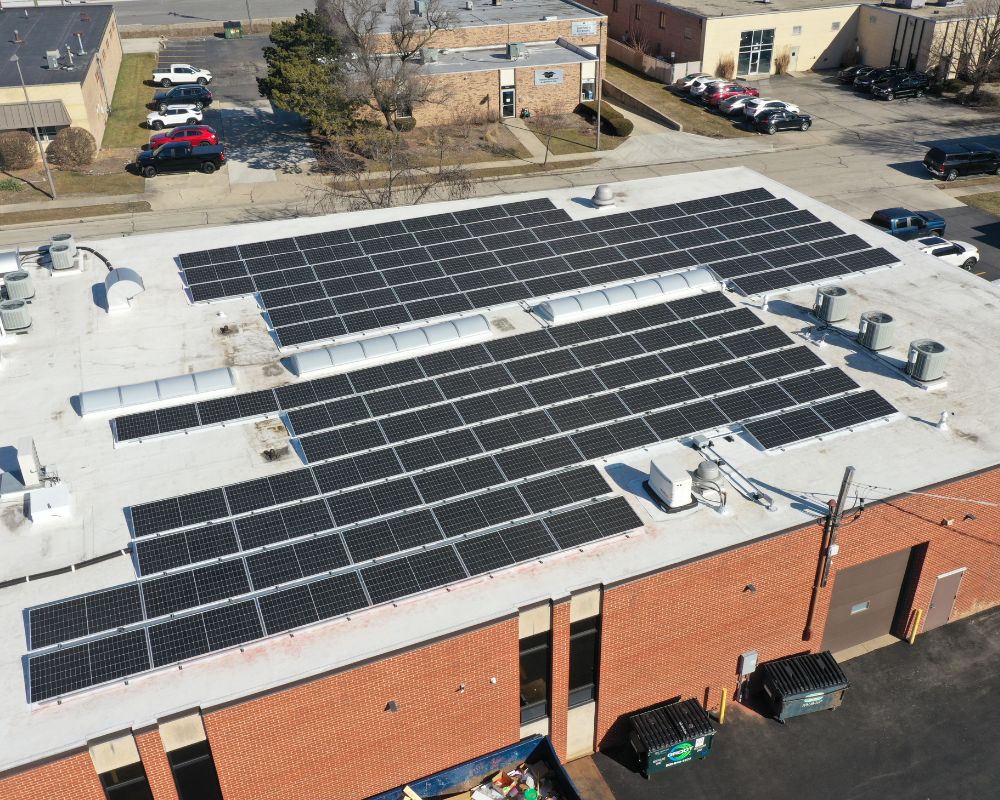
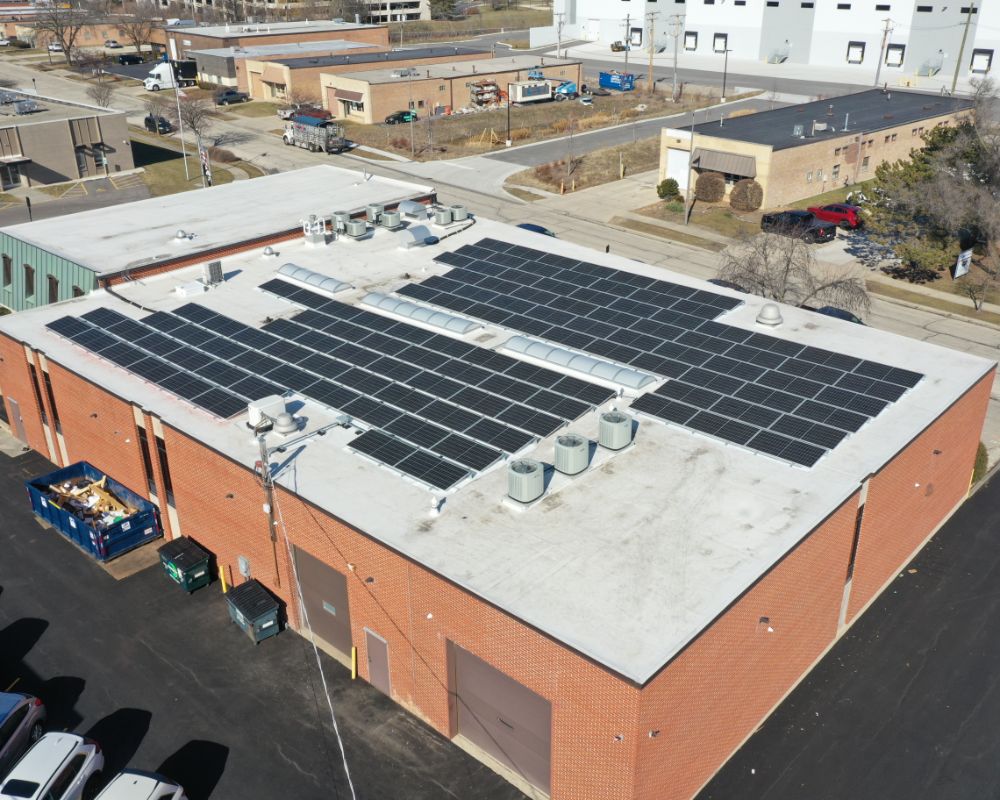
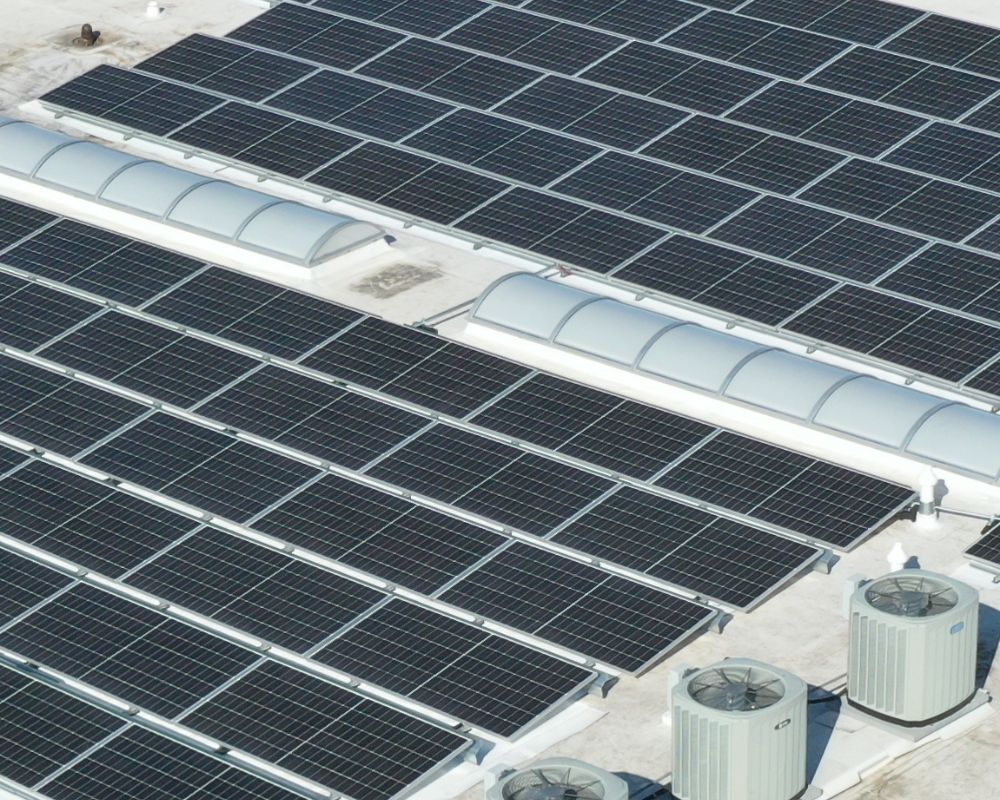
AGAE Contractors partnered with ilumen Solar to bring their sustainability vision to life. The goal was clear: reduce operating expenses and ComEd bills while advancing their commitment to green energy. With an anticipated financial break-even point of just four years, this commercial solar project exemplified the perfect blend of environmental stewardship and smart financial planning. The collaboration showcased how ilumen’s seamless approach to commercial solar installations can turn ambitious energy goals into a streamlined reality.
AGAE Contractors chose ilumen Solar due to their reputation for delivering high-performing systems with a seamless, professional process. Their transparent approach, collaborative planning, and proven expertise in handling both technical and logistical challenges stood out among competitors.
From strategic planning to precise execution, the success of this project hinged on a few essential elements that set ilumen Solar apart. Here’s a closer look at the key components:
System internet communication presented a unique challenge for this project, as the IT room's location on the second floor complicated connectivity. To address this, ilumen Solar implemented wireless point-to-point communication devices, a cost-effective solution that seamlessly bridged the gap. This strategic approach not only resolved the issue efficiently but also ensured minimal disruption to the installation timeline, demonstrating ilumen's commitment to delivering innovative and practical solutions.
The results of this project speak for themselves, showcasing the tangible benefits of ilumen Solar’s expertise and commitment to exceeding expectations. Here’s what AGAE Contractors experienced:
"ilumen installed an 82,000 kWh/year system on our office/warehouse roof. Zach and Dan were extremely professional throughout the process. From design to installation, they provided us with all the answers. Most importantly, they did everything they promised and more. I had a few other companies look at this project and am so grateful that I chose ilumen. I highly recommend using ilumen for any solar install."
This testimonial is from an actual ilumen Solar customer. Individual results may vary.
At ilumen Solar, we take pride in under-promising and over-delivering on every project. By combining technical expertise with innovative solutions, we ensure that each client achieves their green energy goals without compromising on quality or efficiency.
Ready to reduce your energy expenses and invest in a sustainable future? Reach out to ilumen Solar today!
As the world shifts toward renewable energy, states like Illinois are leading the charge with innovative programs that encourage solar energy adoption. One such initiative is the Illinois Shines program, which plays a crucial role in promoting solar energy installations across the state. This blog will provide an overview of the Illinois Shines program and delve into the concept of Solar Renewable Energy Certificates (SRECs) and how they function.
The Illinois Shines program, originally known as the Adjustable Block Program (ABP), was launched to facilitate the growth of solar energy in Illinois. It aims to provide financial incentives for both residential and commercial solar installations, making solar energy more accessible and affordable for Illinois residents.
SREC stands for Solar Renewable Energy Certificate. It is a market-based instrument that represents the environmental benefits of producing solar energy. For every megawatt-hour (MWh), or 1,000kWh, of electricity generated by a solar energy system, one SREC is created. These certificates serve several purposes:
In Illinois, SRECs are integral to the Illinois Shines program. Here’s how they work:
The Illinois Shines program, coupled with the SREC framework, offers a robust mechanism for promoting solar energy in Illinois. By providing financial incentives and creating a marketplace for SRECs, the program supports both the growth of renewable energy and the economic empowerment of individuals and businesses investing in solar technology. As Illinois continues to expand its renewable energy initiatives, understanding these components will be crucial for those looking to tap into the benefits of solar energy.
ilumen Solar is here for support! As an Approved Vendor for the Illinois Shines program, we are here to consult and manage the process so that you can claim the incentives without all the confusion. Are you a customer who would like to participate, or an affiliate who needs guidance on how to get involved - check out our Consulting Services.
As more homeowners and business owners consider the switch to solar energy, understanding the various factors that affect solar panel installation becomes crucial. One of the most significant aspects is the condition of your roof. In this article, we’ll explore how roof conditions influence solar installation, the types of roofs best suited for solar panels, and what to consider before making the investment.
Roof Age: The age of your roof is a critical factor. Most roofs have a lifespan of 20 to 30 years, depending on the materials used. If your roof is 10+ years old, it’s wise to repair or replace it before adding solar panels. New installations can last 25 years or more and combining the lifespan of both can lead to unnecessary expenses in the future.
Roof Type: Different roof types have varying compatibilities with solar panel systems:
Orientation and Pitch: The orientation and pitch of your roof significantly affect the efficiency of solar energy production. South-facing roofs typically receive the most sunlight, making them ideal for solar installations. However, east- and west-facing roofs can also be viable options with proper adjustments. The pitch of your roof can impact the angle of the panels; steeper roofs may require special mounting equipment to optimize solar exposure.
Shading Issues: Overhanging trees, nearby buildings, or other structures can create shading problems for solar panels. Even partial shading can reduce the efficiency of your solar system. Before installation, it’s crucial to evaluate potential shading throughout the year, not only during peak summer hours, but winter sun hours as well. If shading is a concern, trimming branches is a possible solution. We’re not a fan of removing trees unless necessary, so please refer to a local arborist for consulting on any potential tree removal.
Roof Inspection: If you or your installer are concerned with the age and condition of the roof, we recommend scheduling a thorough inspection with a trusted roofer . A qualified roofer can assess the condition of your roof and identify any necessary repairs or upgrades. As needed, ilumen Solar can recommend qualified and trusted roofers in the area.
Consult Solar Professionals: It’s best to engage with a reputable solar installer in your area to guide you through the process. With the multitude of project details, an experienced solar representative can help you navigate the specifics of your roof relating to the installation.
Insurance Coverage: The Illinois Shines solar program requires all solar owners to include the installation under their homeowner or business insurance. Prior to install it’s important to reach out to your insurance agent about the upcoming project and ensure that the solar installation gets added to your insurance plan.
Squirrels: When it comes to residential solar installations, squirrel activity is something to always have a keen eye for. If squirrels have easy access to the roof via tree branches or bushes, it’s likely they will eventually build a nest between the panels and the shingles. Unfortunately, this can cause serious damage to the installation which can require quite a bit of maintenance to get back online. If you are concerned about squirrels damaging your investment then it would be wise to install a squirrel guard, which is a mesh skirting that can be installed at the base perimeter of the entire solar array.
Roof Replacement After Install: If you’ve already installed solar and you need a roof replacement, your roofer and solar installer can coordinate a tear down/reinstall. If the circumstance is due to storm damage, it’s likely most or all of this expense would be covered by insurance. Otherwise, it’s best to conduct thorough due diligence to avoid this situation after your installation has been completed.
Roof conditions play an important role in solar panel installation and overall long-term production of the project. By understanding the importance of roof integrity, age, type, orientation, and shading, homeowners can make informed decisions about their solar energy investment. Taking the time to prepare your roof can lead to a smoother installation process and greater long-term savings on energy costs.
Embrace the solar revolution, but remember: a solid roof and protection plan is the foundation of a successful solar journey!
If you want a trusted partner to help guide you through the process of going solar, contact us and we will help you find out if Solar is the right investment for you!